Category: Kefir

0

Where to Buy Kefir Grains: The Ultimate Guide

Ready to start brewing your own probiotic superfood? The most critical step is choosing the right starter culture. We explain the crucial difference between fresh living grains versus dried powders, and where to find the best quality in Europe. What Are You Actually Buying? Kefir grains are not something you can just pick up at the local supermarket. They are living, symbiotic cultures of bacteria...

We advise NOT to use metal utensils while making kefir 1

The Complete Guide to Kefir Making Equipment

You don’t need a fancy lab to brew delicious kefir at home, but using the right tools is vital for the health of your grains. This guide covers everything you need, explaining why certain materials like glass and plastic are preferred over reactive metals. The Golden Rule: Avoid Reactive Metals Kefir grains create an acidic environment during fermentation. This acid can react with certain metals...

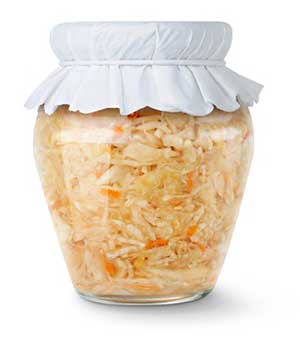
sauerkraut 0

The Power of Fermentation: Health Benefits of Kefir, Kombucha & More<

Fermented foods have been a cornerstone of human diets for centuries. Discover how ancient preservation techniques create powerful probiotics that support gut health, immunity, and overall wellness. What is Lactic Acid Fermentation? At its core, fermentation is a natural biological process. Beneficial bacteria (like Lactobacillus) and yeasts consume sugars (like glucose, sucrose, or lactose) and transform them into organic acids (such as lactic acid), gases,...

⏰ When is the Best Time to Drink Kefir?

You have successfully brewed your first batch using our Master Kefir Guide. It’s sitting in the fridge, thick and creamy. Now comes the big question: How do I take it? Should you chug a litre for breakfast? Or sip it before bed? The answer depends on why you are drinking it. Here is the science on timing and dosage. ☀️ Morning (Empty Stomach) Best For:...

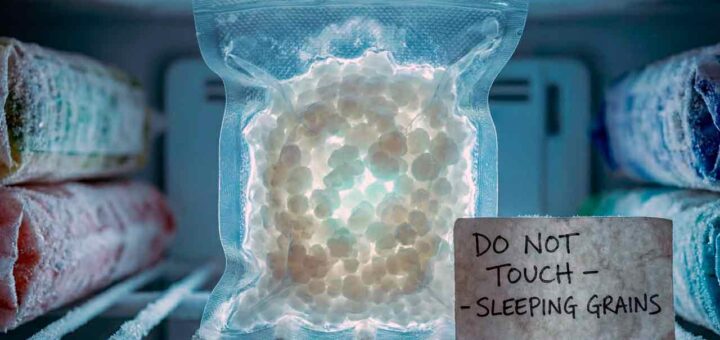
How to Freeze Kefir Grains: Milk & Water Storage Guide

Life happens. Maybe you are going on a long vacation, moving house, or just need a break from the daily fermentation ritual. Can you press “Pause” on your bacterial pets? Yes. Freezing is an excellent way to store Kefir Grains for months. However, it is a traumatic process for the living bacteria. Do it wrong, and they turn to mush. Do it right, and they...

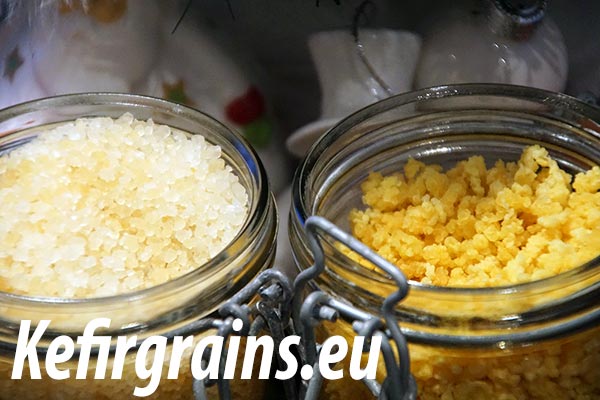
Where to Buy Kefir Grains in Europe? (Fresh vs. Dried vs. Marketplace)

You’ve decided to start brewing your own kefir. Congratulations, it’s a fantastic choice for your gut health! But now comes the most critical question: where do you get good quality kefir grains? The quality of your starter culture determines the success of your brew. In this guide, we honestly compare your options in Europe: from eBay and Amazon to dried powders, supermarket starters, and specialized...

⚠️ Is Kefir Safe? Side Effects & Safety Guide

Kefir is often called a “miracle drink,” but for new drinkers, it can sometimes feel like the opposite. You might experience bloating, headaches, or stomach rumbles. Before you pour it down the sink, read this. 90% of these symptoms are temporary and actually a sign that the kefir is working. However, there are specific groups of people who should avoid it. 🏥 Health & Safety...

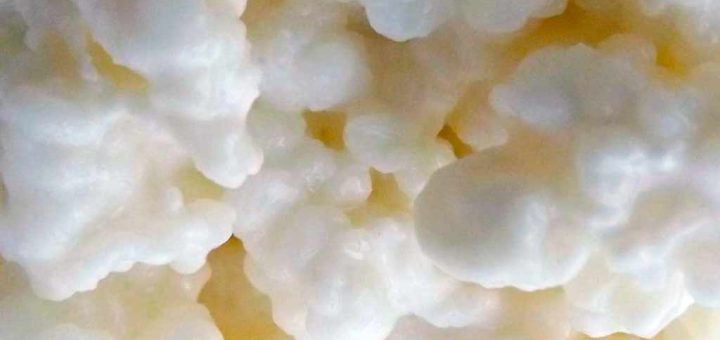
Milk kefirgrains 0

Kefir: The Dairy Solution for Lactose Intolerance

Kefir is renowned for its massive range of health benefits derived from its unique probiotic properties. While generally prepared from cow, goat, or sheep milk, it differs significantly from yogurt. Kefir offers a multitude of health advantages compared to standard yogurt. It helps keep the human digestive system clean and healthy thanks to a complex symbiosis of beneficial yeasts and bacteria. Physically, kefir is thicker...

How to dehydrate your milk or water kefir grains 0

How to Dehydrate Kefir Grains for Long-Term Storage

People dehydrate kefir grains to create a backup supply in case anything happens to their primary set. Dehydrated grains are incredibly resilient and can survive in a dormant state for up to one year. Furthermore, dried grains are much easier and safer to transport than fresh ones, as there is no risk of liquid leaking during shipping. Step-by-Step: The Dehydration Procedure The process is straightforward...