Kefirgrains.eu Blog

What Kind of Milk Do I Use to Make Kefir?

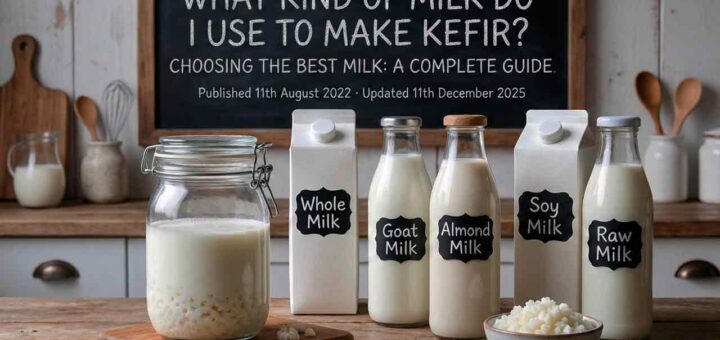
Choosing the Best Milk for Making Kefir: A Complete Guide The quality of your milk directly impacts the taste, texture, and health of your milk kefir. From raw organic farm milk to supermarket UHT, we compare the options to help you choose the best fuel for your grains. Milk: The Fuel for Your Culture Kefir grains are living organisms that need lactose (milk sugar) to...
πŸ§€ Homemade Kefir Cheese (Labneh)

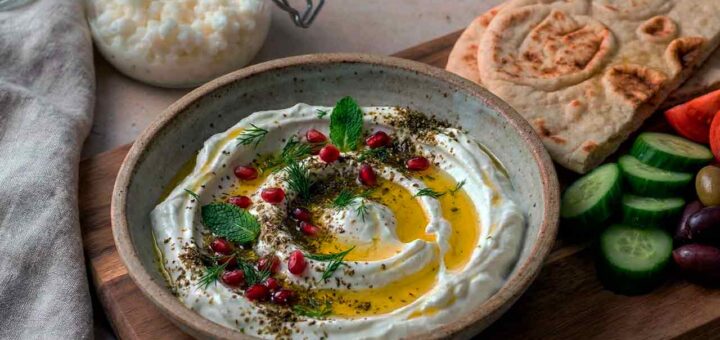
Turning your homemade milk kefir into soft cheese (Labneh) is incredibly simple. It concentrates the fats and proteins, creating a rich, tangy spread similar to cream cheese but packed with probiotics. It’s also the best way to use up a batch that has become too sour to drink. Prep Time: 5 Mins Hanging Time: 12-24 Hrs Yield: ~400g Cheese πŸ₯£ Ingredients 1 Litre Finished Milk...

πŸ’€ How to Activate Dehydrated Milk Kefir Grains

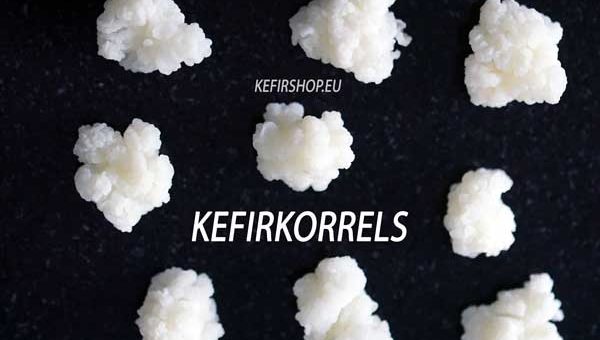
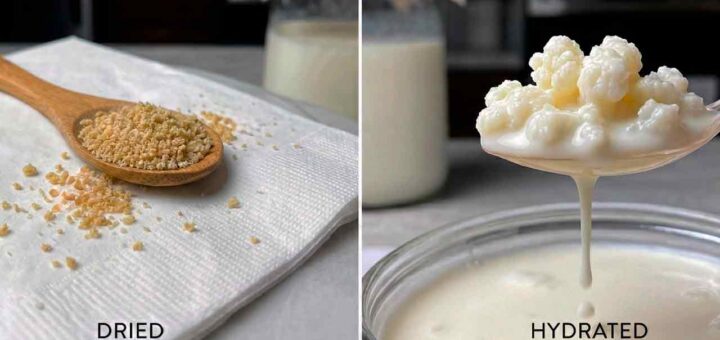
So, you bought kefir grains online, and they arrived looking like hard, yellow bits of dried popcorn. Don’t worryβ€”they are not dead! They are in a deep sleep. Waking them up (rehydration) takes patience and a specific technique. Here is how to turn those crunchy bits into fluffy, active cultures. βœ… The Pros Shelf Stable: Can sit in a drawer for months before you are...

0

The Ultimate Guide to Maintaining Milk Kefir Grains

Milk kefir grains are living organisms. Like any pet, they need food, the right environment, and care to thrive. Follow these rules, and your grains will last a lifetime, providing you with fresh kefir every single day. Treat Them Like Living Pets The most important thing to remember is that kefir grains are alive. They are a symbiotic culture of bacteria and yeasts. Their sole...

The Ultimate Fermentation Troubleshooting Guide

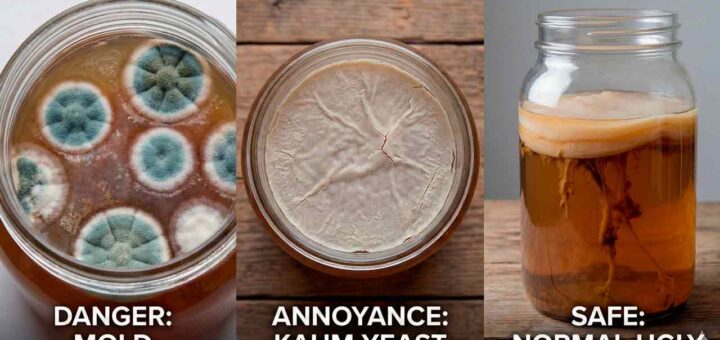
Welcome to the uglier side of fermentation. You looked in your jar and saw something weirdβ€”a blob, a film, or a fuzzy patch. Now you are panicking. Don’t throw it out yet! Fermentation is a biological process, and it isn’t always pretty. 90% of the time, that “weird thing” is perfectly normal. This guide will teach you how to spot the difference between harmless yeast,...

🍦 3-Ingredient Kefir Ice Cream

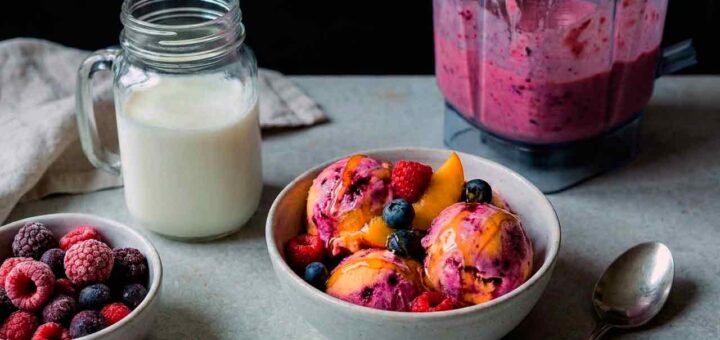
Craving dessert but want to keep your gut happy? This instant “soft serve” uses frozen fruit and thick milk kefir to create a creamy, tangy treat. It takes minutes to make and is a fantastic way to get probiotics into children who might be picky eaters. Prep Time: 5 Mins Freezing: 0-60 Mins Servings: 2 Bowls πŸ₯£ Ingredients 1 Cup (250ml) Milk Kefir (Chilled) 3...

Make Yogurt at Home - Homemade Yogurt

8 Healthy Cultured Dairy Products to Try (Beyond Kefir & Yogurt)

Cultured dairy is enjoyed worldwide for its unique flavors and tremendous health benefits. If you think it stops at yogurt and kefir, get ready to explore a world of delicious fermented traditions, from Scandinavian Viili to Turkish Ayran. 1. Kefir Originating in the Caucasus, kefir is a powerful probiotic beverage made by fermenting milk with live kefir grains (a symbiotic SCOBY of bacteria and yeast)....

0

Where to Buy Kefir Grains: The Ultimate Guide

Ready to start brewing your own probiotic superfood? The most critical step is choosing the right starter culture. We explain the crucial difference between fresh living grains versus dried powders, and where to find the best quality in Europe. What Are You Actually Buying? Kefir grains are not something you can just pick up at the local supermarket. They are living, symbiotic cultures of bacteria...

We advise NOT to use metal utensils while making kefir 1

The Complete Guide to Kefir Making Equipment

You don’t need a fancy lab to brew delicious kefir at home, but using the right tools is vital for the health of your grains. This guide covers everything you need, explaining why certain materials like glass and plastic are preferred over reactive metals. The Golden Rule: Avoid Reactive Metals Kefir grains create an acidic environment during fermentation. This acid can react with certain metals...

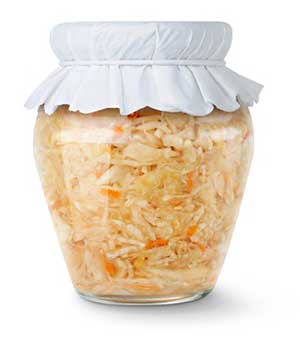
sauerkraut 0

The Power of Fermentation: Health Benefits of Kefir, Kombucha & More<

Fermented foods have been a cornerstone of human diets for centuries. Discover how ancient preservation techniques create powerful probiotics that support gut health, immunity, and overall wellness. What is Lactic Acid Fermentation? At its core, fermentation is a natural biological process. Beneficial bacteria (like Lactobacillus) and yeasts consume sugars (like glucose, sucrose, or lactose) and transform them into organic acids (such as lactic acid), gases,...