Author: Lydia

0

Where to Buy Kefir Grains: The Ultimate Guide

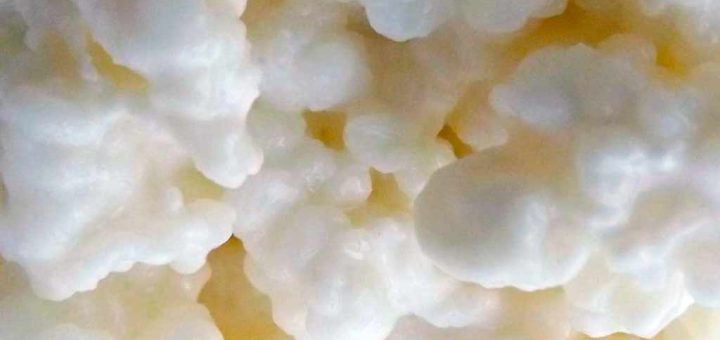
Ready to start brewing your own probiotic superfood? The most critical step is choosing the right starter culture. We explain the crucial difference between fresh living grains versus dried powders, and where to find the best quality in Europe. What Are You Actually Buying? Kefir grains are not something you can just pick up at the local supermarket. They are living, symbiotic cultures of bacteria...

We advise NOT to use metal utensils while making kefir 1

The Complete Guide to Kefir Making Equipment

You don’t need a fancy lab to brew delicious kefir at home, but using the right tools is vital for the health of your grains. This guide covers everything you need, explaining why certain materials like glass and plastic are preferred over reactive metals. The Golden Rule: Avoid Reactive Metals Kefir grains create an acidic environment during fermentation. This acid can react with certain metals...

sauerkraut 0

The Power of Fermentation: Health Benefits of Kefir, Kombucha & More<

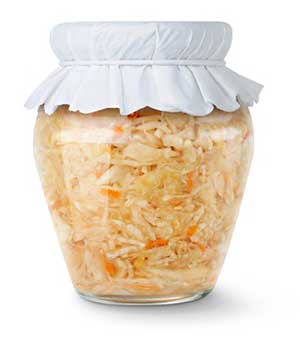
Fermented foods have been a cornerstone of human diets for centuries. Discover how ancient preservation techniques create powerful probiotics that support gut health, immunity, and overall wellness. What is Lactic Acid Fermentation? At its core, fermentation is a natural biological process. Beneficial bacteria (like Lactobacillus) and yeasts consume sugars (like glucose, sucrose, or lactose) and transform them into organic acids (such as lactic acid), gases,...

⏰ When is the Best Time to Drink Kefir?

You have successfully brewed your first batch using our Master Kefir Guide. It’s sitting in the fridge, thick and creamy. Now comes the big question: How do I take it? Should you chug a litre for breakfast? Or sip it before bed? The answer depends on why you are drinking it. Here is the science on timing and dosage. ☀️ Morning (Empty Stomach) Best For:...

🧪 Troubleshooting: Why Did My Kefir Separate?

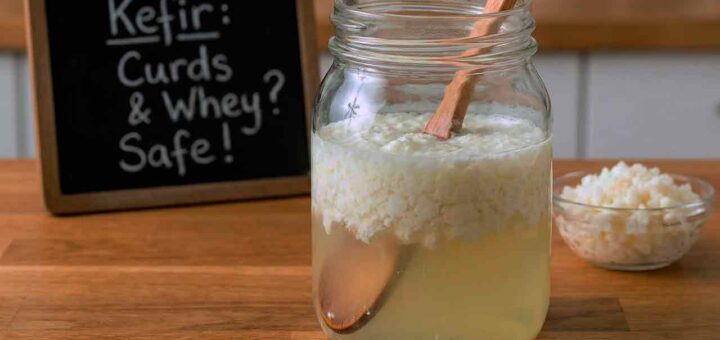
You wake up to find your jar looks like a science experiment: thick white chunks floating in yellowish liquid. Don’t panic. Your kefir is not spoiled. It has simply separated into curds and whey. This is the most common issue for beginners. 🔍 The Cause: Over-Fermentation Separation happens when the bacteria eat all the lactose (sugar) in the milk. As the acidity rises (pH drops),...

Goat, Sheep & Raw Milk: The Ultimate Kefir Milk Guide

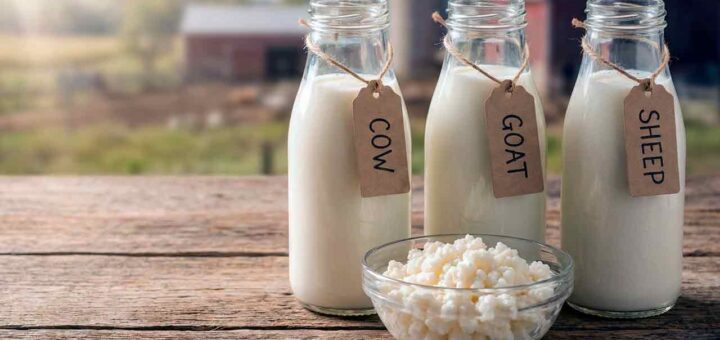
Most recipes assume you are using cow’s milk. It’s cheap, available, and works perfectly. But historically, kefir wasn’t just a cow product. It was a nomad’s drink, made with whatever milk was available. Can you use Goat milk? Sheep? Camel? Absolutely. In fact, changing the milk changes the bio-availability, texture, and health benefits of your brew. Here is the ultimate guide to alternative milks. 📚...

🍃 Choosing the Best Tea for Kombucha

The SCOBY doesn’t just need sugar; it needs the minerals, nitrogen, and tannins found specifically in the tea leaf (Camellia sinensis). While it’s tempting to get creative, choosing the wrong tea can weaken your culture or cause mold. Here is the definitive guide to what works and what doesn’t. 🏆 The Gold Standard: Black Tea If you are a beginner, start here. Pure Black Tea...

water kefir grains

How Seasons Affect Your Water Kefir: Brewing in Summer vs. Winter

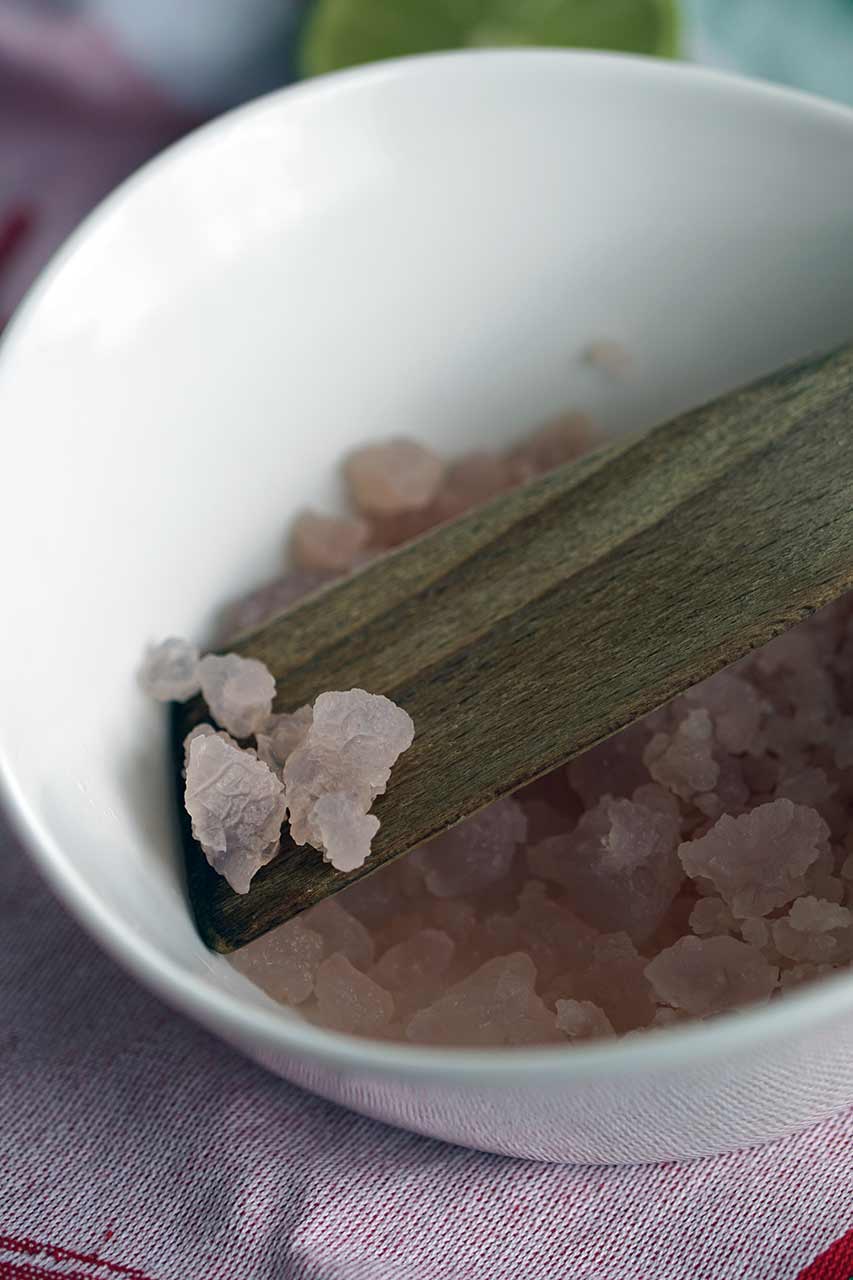
Water kefir grains are living organisms, not machines. Just like plants outside, they react strongly to changes in temperature and weather. Learn how to adjust your brewing routine for perfect kefir all year round. They Are Alive! (Why Temperature Matters) The most important thing to remember about water kefir grains is that they are a symbiotic culture of bacteria and yeasts (a SCOBY). These microorganisms...

Too Much Milk Kefir? How to Slow Down & Downsize Your Batch

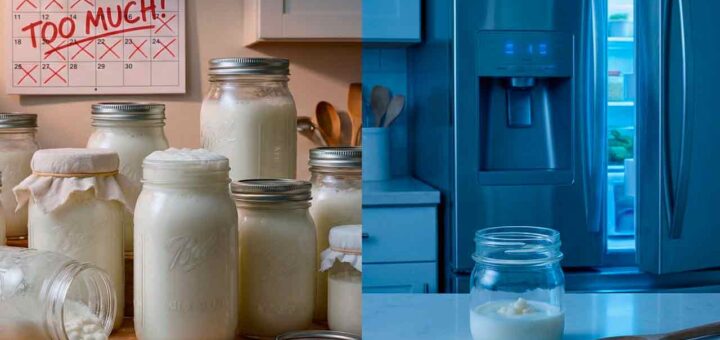
It starts with a teaspoon. Two weeks later, it’s a tablespoon. A month later, you are drowning in milk kefir. Your fridge is full of jars, your family can’t drink it fast enough, and the grains just keep growing. This is the “Kefir Tsunami.” The good news? You are the boss of your culture, not the other way around. Here is how to hit the...

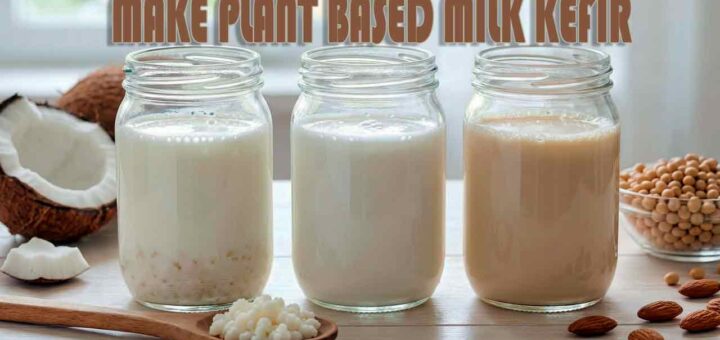
Can You Make Milk Kefir with Plant-Based Milk?

The world is turning plant-based, and many kefir lovers are ditching dairy. But there is a problem: Milk Kefir Grains are biologically designed to eat Lactose (mammal sugar). Can they survive in a bath of Soy, Almond, or Oat milk? The answer is Yes, but with a catch. Your grains can ferment plant milk deliciousy, but they cannot live in it forever. Here is the...