Author: Lydia

Milk kefir grains 0

The Origins and History of Kefir Grains

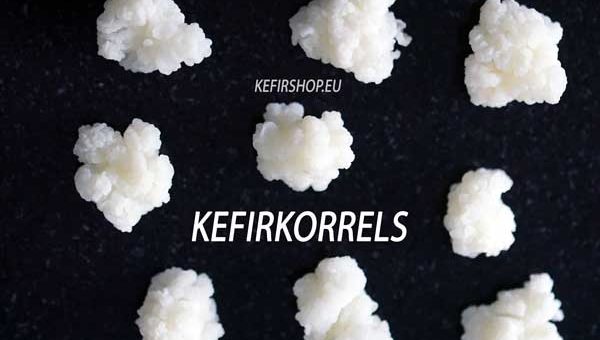
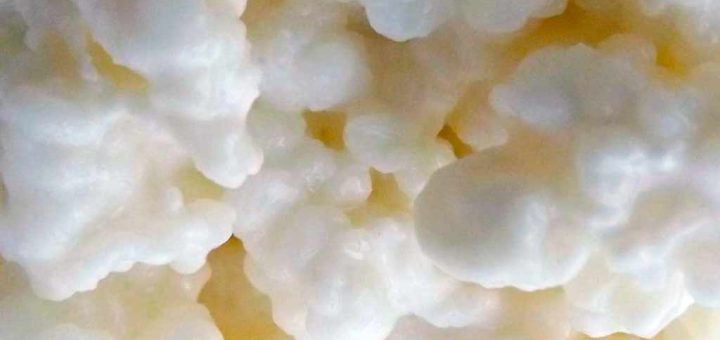
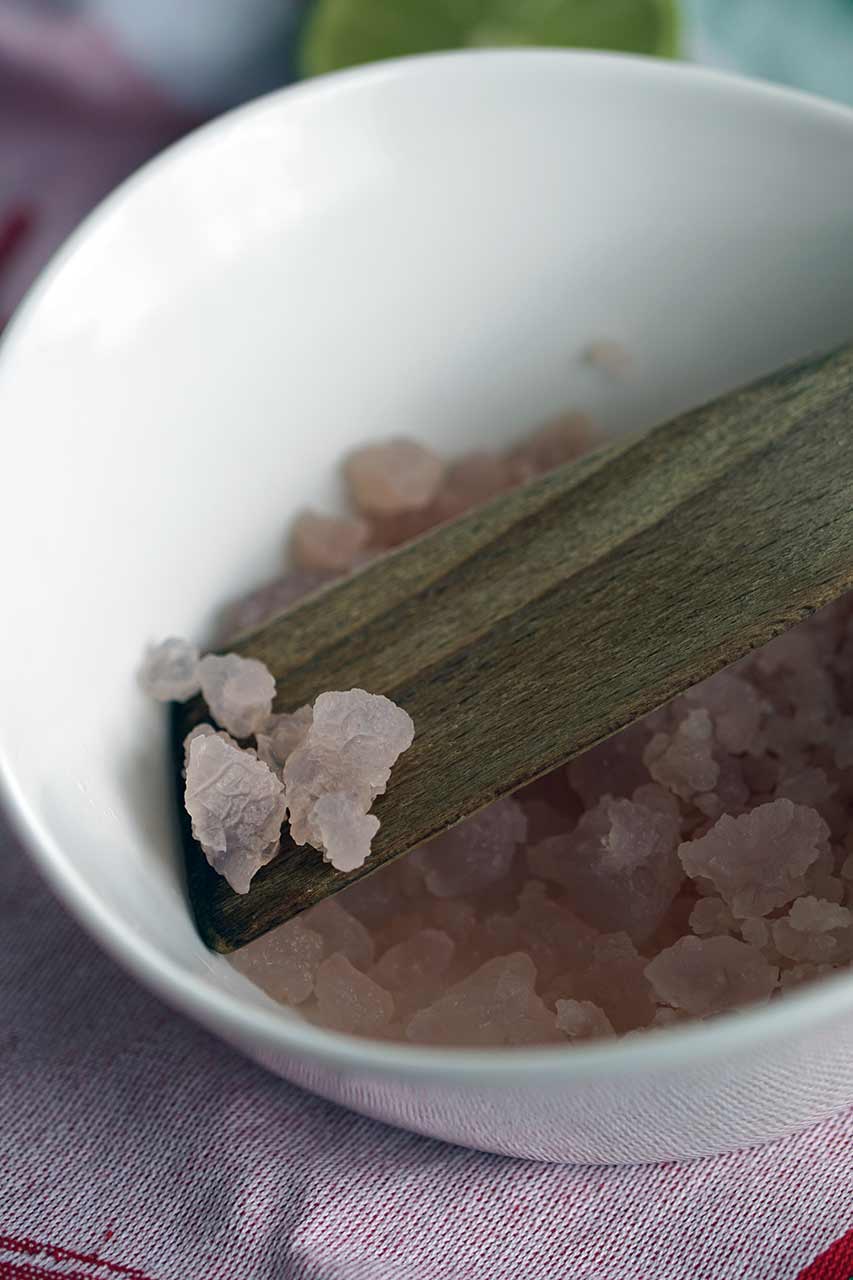
Kefir grains are a biological mystery. They cannot be created in a lab; they must be passed down. Trace the fascinating journey of this ancient superfood from the slopes of the Caucasus Mountains to your kitchen counter. The Legend of the Prophet’s Grains The true origin of kefir grains is lost to time, shrouded in legend and mystery. We know they originated centuries ago among...

πŸ₯› 10 Essential Milk Kefir Tips (From an Insider)

I have been brewing milk kefir for years, and I’ve seen every mistake in the book. While the basic instructions are simple, mastering the perfect ferment takes a little “insider knowledge.” Here are my top 10 tips to ensure your grains stay healthy and your drink tastes amazing. 1 Stop Rinsing Your Kefir Grains Never wash your grains with water! The slime around them is...

🍊 How to Flavor Milk Kefir (Second Fermentation)

Plain milk kefir is… intense. It’s sour, yeasty, and tangy. While purists drink it straight, most of us prefer it flavored. The secret isn’t just adding fruitβ€”it’s doing a Second Ferment. This process mellows the acidity, removes the yeasty edge, and infuses deep flavor without a blender. πŸ€” What is a “Second Ferment”? First Ferment (F1): Milk + Grains (24 hours). This makes the probiotics....

πŸ₯€ Troubleshooting: Why Is My Water Kefir Flat?

Water kefir should be naturally effervescent like a soda. If yours is flat and still, it usually means the carbon dioxide (CO2) is escaping or isn’t being produced. Here is the checklist to fix it. 1. Check Your Seal (Most Common) If air can get out, gas can’t build up. The Fix: Use Swing-top Grolsch-style bottles. Mason jars often leak gas through the screw lid....

Kefir Grains vs. Powdered Kefir Starter: Which is Better?

You want to start making kefir, but the options are confusing. Should you buy the “live grains” from a stranger online? Or the neat little packet of “starter powder” from the health food store? This isn’t just a choice of convenience; it’s a choice of biology. One is a pet that lives forever; the other is a single-use tool. One has 50+ bacteria strains; the...

Best Store-Bought Kefir in Europe: The Ultimate Brand Guide (2026)

We all have those days. You want your daily dose of probiotics, but your homemade batch isn’t ready, or you are traveling abroad. Where can you find real kefir in a European supermarket? While nothing beats the potency of homemade kefir (which contains up to 50+ strains of bacteria and yeast), there are decent alternatives if you know where to look. However, there is a...

πŸ„ How to Make (or Find) a Kombucha SCOBY

The SCOBY (Symbiotic Culture Of Bacteria and Yeast) is the “mother” of your brew. Without this rubbery pancake, you just have sweet tea. The good news? You don’t always need to buy one. Here are the three proven ways to acquire a SCOBY, ranked from easiest to cheapest. 🎁 1. Ask a Friend Cost: Free Every time you brew, a new “baby” layer grows. Brewers...

Can You Convert Milk Kefir to Water Kefir? Mythbusting

It is the most common experiment in the fermentation world. You have too many milk grains, and you want to know: Can you convert kefir grains from milk to water? The internet is full of conflicting advice. Some say yes, science says no. The truth? You can force them to survive for a few weeks, but you cannot truly convert kefir grains permanently. Here is...

The Health Benefits of Kefir

Kefir is a traditional fermented probiotic drink made by combining milk (or sugary water) with living kefir grains. It’s known for its unique tangy flavor, creamy consistency, and incredible potential for supporting gut health. Understanding Kefir: The Basics At its core, kefir is a cultured beverage. The magic ingredient is the kefir grain. Despite the name, these aren’t cereal grains like wheat or rice. They...

How to Reduce Lactose in Milk Kefir: The “Ripening” Method

For many, Milk Kefir is a “miracle drink” that heals the gut. For others, it’s a stomach ache waiting to happen. The culprit? Lactose (Milk Sugar). But here is the secret: Fermentation is essentially “pre-digestion.” The bacteria eat the sugar so you don’t have to. With the right technique, you can reduce the lactose content by up to 99%. Here is the safest way to...