
Milk Kefir vs. Yogurt: The Probiotic Showdown
Both are cultured dairy products, tart, and healthy. But is one better than the other? We break down the crucial differences between milk kefir and yogurt in terms of probiotics, texture, and digestibility.
The Basics: Cousins in Culture
At first glance, milk kefir and yogurt seem very similar. Both are ancient foods made by fermenting milk with live bacterial cultures. They both offer essential nutrients like calcium, protein, B vitamins, and potassium, and they share a distinctively pleasant, tart flavor profile.
However, the primary difference lies in how they are fermented and the diversity of the beneficial microbes they contain.
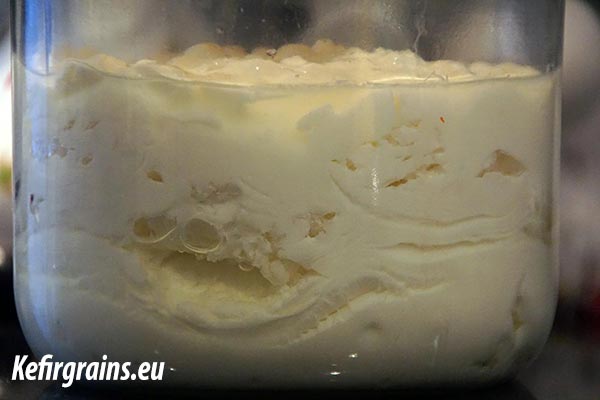
Kefir ferments at room temperature, usually for 24 hours.
4 Key Differences Between Kefir and Yogurt
🦠 1. Probiotic Diversity & Power
This is the biggest difference. Think of yogurt as a garden with a few types of flowers, and kefir as a vast, diverse rainforest.
- Yogurt: Typically fermented by just a few bacterial strains (usually 2 to 7 types, like Lactobacillus bulgaricus and Streptococcus thermophilus).
- Milk Kefir: A powerhouse containing upwards of 50+ different strains of bacteria and yeasts working together. Kefir can have up to three times the probiotic count of yogurt, making it a far more potent functional food for your gut health.
🍞 2. The Beneficial Yeasts
Traditional yogurt is a bacterial fermentation only. Milk kefir, however, is composed of both bacteria AND beneficial yeasts (such as Saccharomyces kefir and Torula kefir).
These beneficial yeasts are crucial. They help eliminate pathogenic (bad) yeasts in the body and are known to help keep the intestine clean and healthy. You don’t get these in standard yogurt.
🥣 3. Consistency: Spoon vs. Straw
Yogurt is generally thicker and is eaten with a spoon. Kefir has a much thinner, drinkable consistency, similar to a thick milk or a thin smoothie. It is also often slightly effervescent (fizzy) due to the yeast activity.
Tip: Kefir is perfect for pouring over cereal or blending into smoothies!
🥛 4. Digestibility & Lactose
Kefir is generally easier to digest. The fermentation process results in a smaller curd size compared to yogurt, making it ideal for babies, the elderly, or those with sensitive digestive systems.
Furthermore, the massive army of bacteria in kefir consumes significantly more of the milk sugar (lactose) during fermentation. Many people with mild lactose intolerance find they can tolerate homemade kefir far better than yogurt or regular milk.
Important: “Real” Kefir Requires Grains
If kefir is so much better, why isn’t it more popular than yogurt? Because making authentic kefir requires living milk kefir grains.
You cannot make true kefir from a powdered starter culture. Powdered starters are just isolated lab-grown bacteria that mimic the flavor, but they lack the full spectrum of 50+ microbes, the beneficial yeasts, and the reusable nature of real grains.
To get the full health benefits detailed in this article, you must make it yourself at home using fresh, living grains. To learn how, check out our guide on how to make authentic milk kefir.
Experience the Difference of Real Kefir
Ready to upgrade from yogurt to the superior probiotic powerhouse? Start brewing your own authentic kefir at home. It’s easier than you think!

Get Genuine Live Milk Kefir Grains
Don’t settle for powders. Get fresh, organic, active grains delivered to your door. Includes detailed step-by-step instructions.