Starting your journey with Milk Kefir is exciting, but beginners often face the same frustrating issue: Separation Anxiety. You wake up to find your jar separated into clear yellow liquid and thick white curds.
Is it ruined? Did you kill the grains? No. You just missed the “Sweet Spot.” This guide covers the most common mistakes beginners make and exactly how to fix them to get creamy, delicious kefir every time.
📚 Related Kefir Guides
🌡️ The #1 Mistake: Separation Anxiety
The single biggest mistake is watching the clock instead of the jar.
- The “24 Hour” Myth: Many guides say “ferment for 24 hours.” But fermentation is biological. If your house is warm (24°C+), your kefir might be done in 12 hours. If you wait 24, it will over-ferment.
- The Result: The milk separates into curds and whey. It tastes extremely sour, yeasty, and the texture becomes gritty.
Don’t watch the clock.
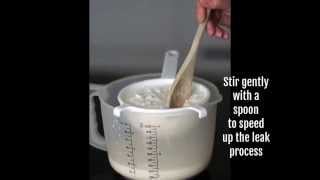
Watch for “Pockets of Whey” at the bottom.
(See a bubble of liquid? It’s done!)
🚫 Common Beginner Mistakes Tier List
Avoid these pitfalls to keep your grains healthy.
| The Mistake | Why it Fails | The Fix |
|---|---|---|
| Rinsing Grains (With Tap Water) | ⭐⭐⭐⭐⭐ (Damage) | ⛔ STOP DOING THIS. Chlorine in tap water damages the kefiran coating. The “slime” on grains is healthy! If you must rinse, use fresh milk. |
| Starving Grains (Too many grains) | ⭐⭐⭐ (Growth Issue) | ⚖️ RATIO IS KEY. Use 1 tablespoon of grains per 1 cup (250ml) of milk. If grains grow, remove them or add more milk. |
| Using UHT Milk (Ultra-Pasteurized) | ⭐⭐ (Texture Issue) | 🥛 USE FRESH MILK. UHT milk is heated so high the proteins change structure. It creates a runny, slimy kefir. Use standard pasteurized “Blue Cap” milk. |
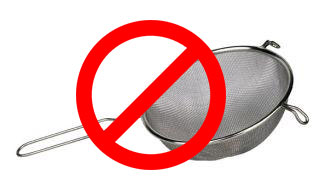
| Using Metal (Reactive) | ⭐ (Long term risk) | 🥄 USE PLASTIC/WOOD. Acidic kefir can react with iron/aluminum. Stainless steel is okay, but plastic sieves are safer for beginners. |
🚀 PRO TIP: The “Second Ferment” Fix
Is your kefir too sour? Do you want to add flavor? The secret lies in the Second Fermentation (F2).
How to do it:
Strain your grains out first. Then, leave the liquid kefir in a jar on the counter for another 2–8 hours.
The Benefit:
This mellows the acid (makes it less sour), increases B-Vitamins, and allows you to add flavor like orange peel or cinnamon without hurting the grains.
🥛 Ingredients & Utensils Check
Milk Kefir grains are hardy, but they thrive on consistency.
- Best Milk: Fresh, whole raw cow’s milk (from a safe source) or Whole Pasteurized Milk.
- Avoid: Lactose-free milk (grains need lactose to eat!) and “Lite/Skim” milk (grains need the fat for protection).
The “Starter Kit” List
For the easiest start, ensure you have:
- ✅ 1 Tablespoon Live Grains
- ✅ 1 Wide-Mouth Mason Jar
- ✅ 1 Nylon/Plastic Sieve
- ✅ 1 Coffee Filter (Breathable Lid)
❓ Milk Kefir FAQs
Can I eat the grains?
Yes! They are essentially “gummy bears” of concentrated probiotics. You can eat them, blend them into smoothies, or feed them to your pets for gut health.
Why is my kefir runny?
Usually due to low temperatures (below 20°C), too much milk for the amount of grains, or using UHT milk. Try reducing the milk amount to thicken it up.
Is my kefir supposed to fizz?
Mild fizz is normal. It comes from the yeast in the culture. If you screw the lid on tight or do a second ferment, the fizz will increase.
Does it contain alcohol?
Trace amounts, typically between 0.08% to 2%. It is generally considered non-alcoholic, but it can be higher if you ferment for a long time with a tight lid.
I am lactose intolerant. Can I drink it?
Often, yes. The grains consume most of the lactose during fermentation. Many lactose-intolerant people tolerate well-fermented kefir (24h+) very well.
How do I take a break (Vacation)?
Put the grains in a fresh jar of milk, screw the lid on tight, and put it in the fridge. They will “sleep” safely for 1–2 weeks.
Why are my grains yellow?
Cream/White is healthy. Yellow or brown usually means the grains are drying out or starving. Orange/Pink spots indicate contamination (throw them away).
Can I use Coconut Milk?
Yes, but milk kefir grains need animal lactose to survive long-term. You must alternate: 1 batch Coconut Milk, then 1 batch Cow Milk to recharge them.
What is the clear liquid at the bottom?
That is Whey. It means your kefir has over-fermented. It is safe! Stir it back in, or strain it out to make Kefir Cheese (Labneh).
How fast do grains grow?
Healthy grains in fresh whole milk at 22-24°C can double in size every 10–14 days.