Turning your homemade milk kefir into soft cheese (Labneh) is incredibly simple. It concentrates the fats and proteins, creating a rich, tangy spread similar to cream cheese but packed with probiotics. It’s also the best way to use up a batch that has become too sour to drink.
- Prep Time: 5 Mins
- Hanging Time: 12-24 Hrs
- Yield: ~400g Cheese
🥣 Ingredients
- 1 LitreFinished Milk Kefir
- 1/2 tspSea Salt
- OptionalFresh Herbs / Garlic
- OptionalOlive Oil (for storing)
⚙️ Instructions
Salt the Kefir
Prepare Strainer
Strain & Hang
Wait & Harvest
24 hours = Firm Cream Cheese. Remove and roll into balls or store in a jar.
❓ Frequently Asked Questions
Can I use over-fermented (separated) kefir?
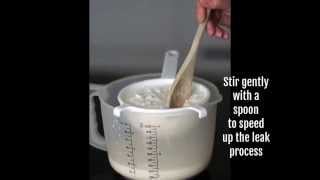
Yes! This is actually the best use for it. The separation means the whey is already leaving the curds, which speeds up the cheese-making process.
How long does kefir cheese last?
Fresh kefir cheese lasts about 2 weeks in the fridge. If you roll it into balls and submerge them completely in olive oil, it can last for months.
What do I do with the leftover whey?
Don’t throw it away! The yellow liquid (whey) is rich in proteins and probiotics. Use it to start sourdough, ferment vegetables, or add it to smoothies.
Do I have to use salt?
No, you can make unsalted cheese, but salt helps preserve it and draws out moisture faster. Without salt, the taste will be very tart and shelf life shorter.
Can I add herbs?
Absolutely. You can mix dried herbs, garlic powder, or chili flakes into the cheese *after* straining, or roll the finished cheese balls in fresh herbs.
Why is my cheese too soft?
It likely needs to strain longer. If your kefir was very thin to begin with, it may take up to 36 hours to get a firm “rollable” consistency.
Can I use a coffee filter?
Yes, large paper coffee filters work very well for smaller batches. They are disposable and have a very tight weave that keeps the cheese smooth.
Is this lactose-free?
It is very low in lactose. The fermentation process consumes most sugar, and straining removes the whey (where most remaining lactose lives). Read more about kefir and lactose intolerance.
Does the probiotic count change?
The bacterial count remains very high. In fact, by removing the water content, you are concentrating the bacteria per gram of food.
Can I use metal utensils?
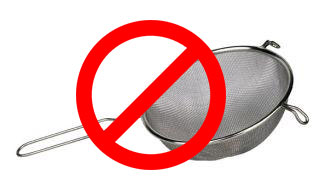
Short contact with metal (like a spoon) is fine for finished kefir. However, for long straining, plastic or stainless steel colanders are preferred over reactive metals. See our guide on metal and kefir.