Apple Cinnamon Kombucha (“Mock” Cider)
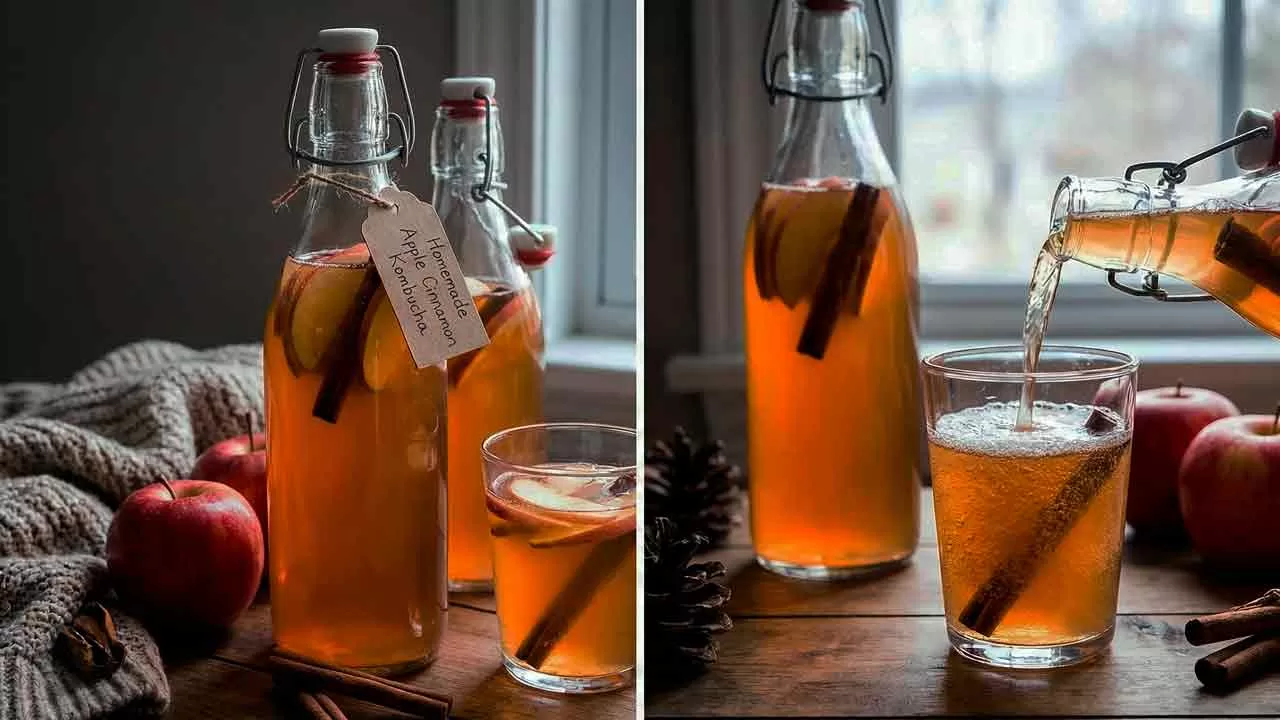
A cozy autumn favorite that tastes like sparkling apple cider. Natural fructose from crisp apples generates effervescent bubbles balanced by warm Ceylon cinnamon.
🥣 Ingredients
- ✓1 Litre — Kombucha (F1 Finished)
- ✓1/4 Cup (60ml) — Apple Juice (or chopped apple)
- ✓1 Stick — Cinnamon Bark
- ✓Optional — 2 Whole Cloves
Swing-top glass fermentation bottles and a small kitchen funnel.
👩🍳 Step-by-Step Instructions
Combine Flavor
Add Kombucha
Ferment
Refrigerate
💡 Cinnamon Stick vs Powder
Always use whole cinnamon stick shards inside the bottle rather than ground cinnamon powder, which can create a cloudy residue and foam over upon opening.
❓ Frequently Asked Questions
Should I use juice or fresh fruit pieces?
Juice provides more even carbonation and a cleaner drink. Fresh apple pieces taste great but can turn into “mush” inside the bottle and are harder to clean out.
Can I use powdered cinnamon?
Avoid powder if possible. It doesn’t dissolve, leaving a gritty sludge at the bottom of the bottle. Sticks or whole chips infuse flavor cleanly.
Why is it foaming over?
Apples contain a lot of sugar and natural yeast. This combination creates *a lot* of CO2. Always chill thoroughly before opening, and open slowly over a sink.
Can I add ginger?
Yes! Adding a slice of ginger creates an “Apple Ginger Zinger” flavor that is excellent for digestion.
Do I leave the cinnamon stick in?
You can leave it in while you drink it, but the flavor will get stronger (and potentially bitter) over time. We recommend serving it within a week.
Is store-bought apple juice okay?
Yes, but ensure it is 100% juice with no added preservatives (like sulphites or sorbates), as these chemicals can kill the kombucha probiotics.
How long does it last?
Once refrigerated, it lasts for months. However, the fresh apple flavor is best consumed within 2 weeks.
Is there alcohol in this?
Slightly more than plain kombucha because of the high sugar content in apples, but typically still under 1% ABV if refrigerated after 3 days.
Can I use green apples?
Yes. Green apples (Granny Smith) will give a tart, crisp flavor. Red apples will give a sweeter, more cider-like flavor.
Why did my bottle break?
Apple kombucha builds pressure very fast. If you use a decorative glass bottle (not pressure-rated) or leave it too long in a hot room, it can explode. Always test your bottles!
Probiotic Science & Nutritional Benefits of Apple Cinnamon Kombucha (“Mock” Cider)
Naturally fermented kombucha already carries crisp malic and acetic organic acids—the exact organic acid profile found in heritage farmhouse apple ciders. By pairing 8-day fermented black or oolong kombucha with cloudy cold-pressed organic apple juice and whole Ceylon cinnamon bark during second fermentation (F2), living kombucha yeasts convert the apple fructose into brisk pinpoint carbonation while cinnamon polyphenols lend natural perceived sweetness without added refined sugar.
Unlike shelf-stable supermarket alternatives that undergo high-heat pasteurization after culturing—eliminating 100% of living bacteria to extend warehouse shelf life—preparing Apple Cinnamon Kombucha (“Mock” Cider) at home with live kombucha SCOBY preserves delicate organic acids, B-vitamins (including folate, riboflavin, and biotin), bioavailable minerals, and active microbial enzymes right up to the moment you serve your glass or plate. Regular inclusion of unpasteurized fermented foods in daily meals has been shown in clinical microbiome research (such as Stanford University’s fermented-food dietary trials) to steadily increase gut microbial diversity and calm inflammatory markers.
4 Artisan Flavor Variations & Customizations
Once you master the foundational recipe card above, use these four tested kitchen variations to adapt the flavor profile across seasons and occasions:
✨ Mulled Chai Spice Apple Cider
Add 1 lightly crushed green cardamom pod, 1 whole clove, and a sliver of fresh ginger alongside the cinnamon stick.
✨ Caramelized Pear & Vanilla Bean
Swap apple juice for cloudy organic pear nectar and add 1/4 split vanilla pod.
✨ Crisp Granny Smith Tart Dry Cider
Use freshly juiced tart green apples and ferment F2 an extra 24 hours for a bone-dry Normandy-style Brut profile.
✨ Cranberry-Apple Autumn Fizz
Blend 40ml cloudy apple juice with 20ml unsweetened cranberry juice per 500ml bottle.
Timing, Temperature & Make-Ahead Storage Reference Chart
Consistent texture, carbonation, and probiotic vitality come down to respecting temperature thresholds and storage windows. Keep this quick kitchen reference chart handy:
| Preparation Stage | Optimal Time & Temperature | Why It Matters for Quality |
|---|---|---|
| Best Spice Form | Whole Ceylon cinnamon stick (never ground powder) | Ground cinnamon forms a gelatinous sludge; sticks infuse cleanly |
| Best Apple Base | Cloudy cold-pressed organic apple juice (10%–15%) | Zero preservatives; consistent natural sugar for reliable fizz |
| Second Ferment Time | 2–3 days sealed at 21°C–24°C | Apple sugars carbonate rapidly; chill promptly once fizzy |
| Refrigerated Peak Flavor | Best within 3 weeks at 4°C | Cinnamon notes deepen beautifully over the first 5 chilled days |
Common Kitchen Mistakes & How to Avoid Them
Never use ground cinnamon powder in bottled kombucha! Cinnamon bark is high in mucilage; powdered cinnamon hydrates into an unappetizing jelly-like blob at the neck of the bottle and creates nucleation points that cause foamy volcano geysers upon opening. Always use whole cinnamon sticks or broken bark quills, and choose preservative-free cloudy apple juice rather than clear shelf-stable juice treated with sulfites.
If your base ferment ever behaves unexpectedly before you even begin this recipe—such as slow acidification in cool winter rooms or rapid summer separation—consult our dedicated kombucha carbonation & flavor troubleshooting for instant 24-hour adjustments so every batch starts from a vibrant, balanced living culture.
Ingredient Quality, Serving Ideas & Prebiotic Pairings
Selecting clean, minimally processed base ingredients noticeably elevates both the flavor clarity and microbial vitality of Apple Cinnamon Kombucha (“Mock” Cider). Whenever possible, pair your living ferment with organic seasonal fruit, unrefined sea salt, whole aromatic spices, and filtered or spring water free from chlorine residuals. Avoid artificial preservatives such as potassium sorbate, sodium benzoate, or sulfites in add-in juices and dried fruits, as commercial antimicrobial agents are specifically formulated to halt yeast and bacterial activity.
To maximize both culinary enjoyment and digestive synergy, serve Apple Cinnamon Kombucha (“Mock” Cider) alongside whole, fiber-rich plant foods rich in natural prebiotics. Soluble prebiotic fibers—abundant in berries, slightly green bananas, rolled oats, chia and flax seeds, Jerusalem artichokes, garlic, fresh culinary herbs, roasted root vegetables, and long-fermented sourdough grains—travel intact to the lower digestive tract where they selectively nourish the beneficial Lactobacillus, Leuconostoc, and Bifidobacterium strains delivered by homemade ferments. When storing multi-day batches, always choose non-reactive glass mason jars or pressure-rated swing-top glass bottles with snug food-grade seals, label your container with the preparation date, and keep your primary living mother culture fed on a steady countertop rhythm so fresh probiotic harvests are ready whenever inspiration strikes in your kitchen.
Whether you enjoy a chilled glass alongside breakfast, pack a jar for post-workout hydration and recovery, or set out an artisanal platter for weekend guests, homemade probiotic recipes turn everyday whole ingredients into living functional nutrition at a fraction of specialty health-store prices.
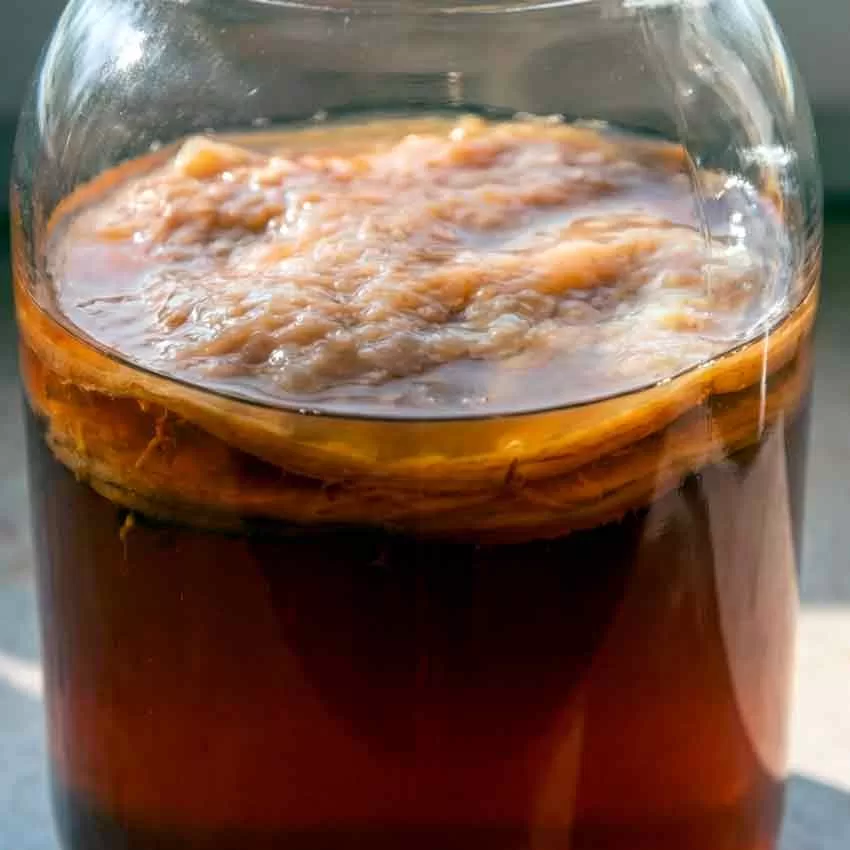 100% Live & Active
Start Fresh with a Certified Organic Live Kombucha SCOBY
Brew authentic, probiotic-rich homemade ferments with real living heirloom cultures. Cultivated fresh daily in small batches, our active cultures multiply naturally for a lifetime supply.