The Complete Guide to Kefir Making Equipment
You don’t need a fancy lab to brew delicious kefir at home, but using the right tools is vital for the health of your grains. This guide covers everything you need, explaining why certain materials like glass and plastic are preferred over reactive metals.
The Golden Rule: Avoid Reactive Metals
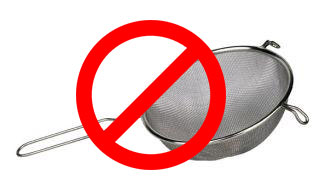
Kefir grains create an acidic environment during fermentation. This acid can react with certain metals like aluminum, copper, iron, and brass. Prolonged contact can damage your grains and potentially leach metallic ions into your drink.
However, modern food-grade stainless steel is generally safe for brief contact, like stirring or quick straining. But for fermentation vessels and long-term storage, we always recommend inert materials.
Your Kefir Equipment Checklist
Here are the essential tools you’ll need for brewing both milk and water kefir efficiently and safely.
1. Fermentation Jar (Glass)
Glass is the best material because it’s non-reactive, easy to clean, and lets you see what’s happening inside. A wide-mouth mason jar (1 liter or 1 quart size) is ideal for most home brewers.
Avoid: Metal containers or crystal (which may contain lead).
2. Breathable Cover & Band
Fermentation produces gases that need to escape. Do not use an airtight lid during the primary fermentation. Use a breathable cloth, a coffee filter, or a paper towel secured with a strong rubber band. This keeps fruit flies and dust out while letting the mixture breathe.
3. The Strainer (Plastic or Nylon)
To separate your finished drink from the grains, you need a sieve. We strongly recommend a plastic or nylon mesh strainer. This eliminates any risk of metal reactions. While stainless steel is usually okay for quick straining, plastic is the worry-free choice.
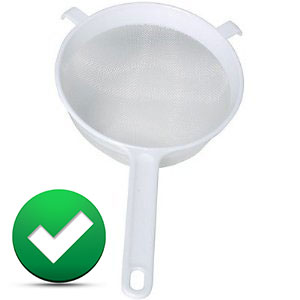
A plastic or nylon sieve is the safest choice.
4. Spoon & Bowl
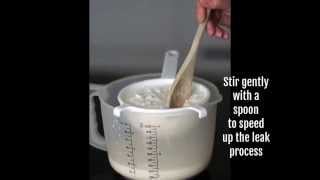
You’ll need a bowl to catch the strained kefir and a spoon to gently help the liquid pass through the sieve. Again, plastic, wood, or stainless steel spoons are fine. Avoid older, tarnished, or reactive metal spoons.
Frequently Asked Questions About Gear
Is stainless steel harmful to fermentation?
What kind of jars should I absolutely avoid?
Can I use a bamboo strainer?
Get All the Right Tools in One Kit
Don’t want to hunt for individual items? Get a complete starter kit that includes fresh grains and the correct, safe equipment.
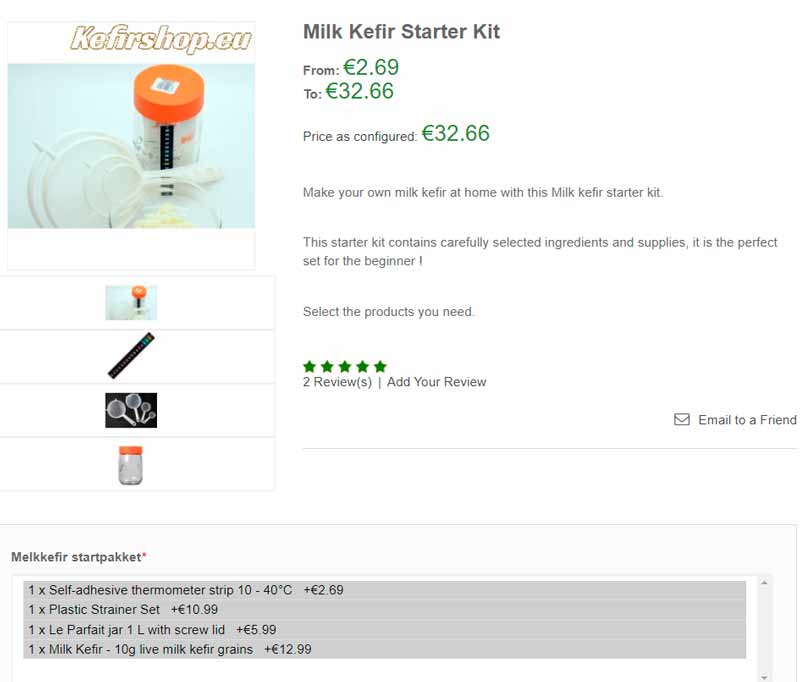
Deluxe Kefir Starter Kit
Includes fresh grains, a fermentation jar, a culture-safe plastic strainer set, a breathable cover, and instructions.