Whether you are brewing creamy Milk Kefir or fizzy Water Kefir, the tools you use matter. Using the wrong material can lead to metallic tastes, dead grains, or even exploding bottles.
The good news? You likely have most of the gear in your kitchen already. Here is exactly what you need (and what to avoid).
📝 The Essential Checklist
Fermentation Jar
(Wide mouth, 1 Litre)
Breathable Cover
(Coffee filter + Rubber band)
Strainer
(Nylon or Plastic Mesh)
Bottles
(For flavoring/storage)
⚗️ Material Guide: Glass vs. Plastic vs. Metal
Both Milk and Water kefir are acidic. Over time, acid eats away at certain metals, leaching chemicals into your drink and damaging your live grains.
| Material | Safety Rating | The Verdict |
|---|---|---|
| Glass | ⭐⭐⭐⭐⭐ (Best) | Non-reactive, scratch-resistant, and easy to clean. The gold standard for fermentation. |
| Food-Grade Plastic | ⭐⭐⭐ (Okay) | Safe (HDPE or PET), but can scratch easily. Scratches harbor bad bacteria. Good for short-term use. |
| Stainless Steel | ⭐⭐⭐ (Passable) | Okay for brief contact (stirring/straining), but do not ferment in it. |
| Aluminum / Iron / Copper | ⛔ (DANGEROUS) | NEVER USE. The acid reacts with these metals instantly, creating toxic compounds and killing grains. |
🥢 Which Sieve Should I Use?
Choosing the right sieve is critical because you will use it every 24-48 hours. The goal is to separate the liquid from the grains without crushing them.
1. Material: Plastic vs. Metal
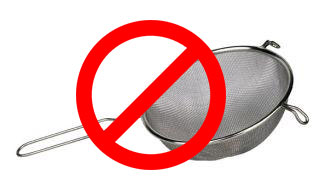
Nylon/Plastic is King. It is non-reactive, flexible, and gentle. While high-quality Stainless Steel is technically safe for brief contact, cheap metal sieves often rust or have coating that flakes off. Rust will kill your grains. Stick to plastic to be 100% safe.
2. Mesh Size
You want a Medium-Fine Mesh.
Too Large: Baby grains will fall through and be lost.
Too Fine: Thick milk kefir won’t drain, and you’ll have to shake it violently, which hurts the grains.
“Nylon Mesh Strainer”
(12cm – 15cm diameter)
🍾 Which Bottles Should I Use?
This depends on what you are making.
Water Kefir: Needs strong pressure bottles for carbonation.
Milk Kefir: Can use standard jars (unless you want it fizzy).
🥇 The Gold Standard: Swing-TopOften called “Grolsch style” bottles. These are heavy-duty glass bottles with a wire bail and rubber gasket.
- Best For: Fizzy Water Kefir & Kombucha.
- Safety: The rubber gasket acts as a safety valve. If pressure gets too high, it “burps” automatically.
🥈 The Milk Choice: Glass JarsStandard glass jars with screw lids.
- Best For: Storing finished Milk Kefir in the fridge.
- Note: Milk kefir is usually thick (like yogurt), so you need a wide opening to pour it out easily. Narrow bottles are a nightmare to clean after milk kefir!
⛔ The Danger Zone: Mason JarsUsing standard jam jars or Mason jars for carbonation.
- The Risk: Never use square jars for fizzy drinks. They are designed for vacuum (canning), not outward pressure. They can explode if you leave Water Kefir in them too long.
⚙️ Optional Accessories (Nice to Have)
🌡️ Stick-on Thermometer
Sticks to the side of your jar. Crucial if your house is cold, so you know if your grains are freezing.
🔽 Canning Funnel
A wide-mouth funnel. Makes pouring milk or water from a big jar into bottles mess-free.
🔥 Heating Pad
For winter brewing. If your home is below 20°C, a seedling mat or “Kombucha Heater” keeps the fermentation active.
🖌️ Bottle Brush
Essential for scrubbing dried milk or yeast sediment out of narrow-neck bottles.
❓ Kefir Equipment FAQs
Can I use a metal spoon?
Yes, if it is Stainless Steel. Brief contact (stirring for 10 seconds) won’t hurt the grains. Just don’t leave a metal spoon sitting in the jar overnight.
Is Cheesecloth okay for a cover?
No. The weave is too loose. Fruit flies (which love vinegar/ferments) can crawl right through the holes and lay eggs in your kefir. Use a paper coffee filter or a tight-weave cloth napkin instead.
Do I need an Airlock lid?
Not for Kefir. Airlocks are great for vegetables (Sauerkraut), but Kefir is an aerobic/anaerobic hybrid. A simple cloth cover works best for the first ferment.
What size jar is best?
A 1 Litre to 1.5 Litre jar is ideal for most families. This produces about 4 glasses of kefir daily.
Can I wash my equipment with soap?
Yes, but rinse it THOROUGHLY. Soap residue destroys bacteria. Many brewers prefer to just use very hot water and white vinegar to sanitize their jars.
Why avoid Crystal glass?
Lead crystal contains… lead. The acidity of kefir can leech lead out of the glass. Stick to standard soda-lime glass (Mason jars, Kilner, etc.).
Can I use a Bamboo strainer?
Yes, bamboo or wood is safe, but harder to keep clean. It can harbor mold if not dried properly. Plastic/Nylon mesh is the most hygienic option.
Where can I buy the strainer?
You don’t need a specialty shop. Cheap plastic strainers are available at any store or supermarket kitchen aisle. Just check that the mesh is plastic, not metal wire.
Can I ferment in a plastic bucket?
For large batches, yes. Ensure it is “Food Grade” (HDPE) plastic. However, for small home batches, glass is preferred because it is easier to see sediment and yeast activity.
My bottle exploded! Why?
You likely added too much fruit juice (sugar) in the second ferment and left it too long in a warm room. This created excess CO2 pressure. Always “burp” your bottles daily or refrigerate them once carbonated.
Missing something?
We sell complete starter kits with the correct jars and strainers included.