I have been brewing milk kefir for years, and I’ve seen every mistake in the book. While the basic instructions are simple, mastering the perfect ferment takes a little “insider knowledge.” Here are my top 10 tips to ensure your grains stay healthy and your drink tastes amazing.
Stop Rinsing Your Kefir Grains
Never wash your grains with water! The slime around them is called Kefiran—it is their protective immune system. Washing them (especially with chlorinated tap water) damages this layer and shocks the grains.
The “First Batch” Syndrome
When you receive new grains via mail, they are stressed and “jet-lagged.” The first batch you make will likely taste thin or yeasty. This is normal! Discard the first milk, and by batch #2 or #3, they will be perfect.
Less is More
You don’t need a cup of grains to make a cup of kefir. In fact, too many grains will make your kefir sour too fast. Keep a ratio of about 1 tablespoon of grains per 500ml of milk. Eat or freeze the excess.
Stainless Steel is Safe
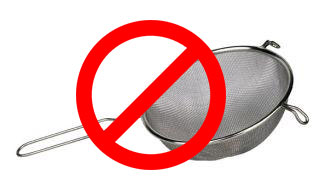
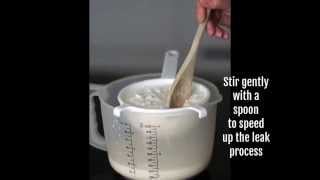
The myth that “metal kills kefir” is outdated. While you shouldn’t store grains in metal long-term, using a stainless steel spoon or sieve for a few minutes is perfectly safe. Just avoid reactive metals like aluminium, copper, or rusty iron.
Temperature Controls Time
Fermentation is not a timer; it’s a reaction. In summer (25°C+), your kefir might be done in 12 hours. In winter (18°C), it might take 36 hours. Watch the jar, not the clock.
Avoid Lactose-Free Milk
Kefir grains feed specifically on lactose (milk sugar). If you put them in lactose-free milk or nut milk indefinitely, they will starve and eventually die. Always rotate them back into real dairy milk.
Separation is Safe
If your kefir separates into yellow liquid (whey) and white curds, it isn’t spoiled! It just means it’s very hungry and over-fermented. Shake it vigorously to remix it, or strain it for cheese. It is perfectly safe to drink.
The “Second Ferment” Secret
Want less sour, creamier kefir? Remove the grains, add a piece of orange peel or fruit, seal the jar tight, and leave it on the counter for another 6-12 hours. This mellows the acidity and boosts vitamins.
Change Kefir Grains Regularly
Not the grains themselves, but the milk! Grains need fresh food every 24 hours. Leaving them in the same milk for days promotes yeast overgrowth and can starve the bacteria.
Trust Your Nose
Kefir should smell sour, yeasty, or like yogurt. If it ever smells like rotten eggs, vomit, or has pink/orange fuzz on top, discard it. Trust your instincts—bad bacteria smells undeniably bad.
🤔 Still Have Questions?
Every kitchen is different, and sometimes things just don’t look right. Don’t guess! As a kefir enthusiast, I am happy to help troubleshoot your specific situation.