Ginger & Lemon Kombucha (Second Ferment)
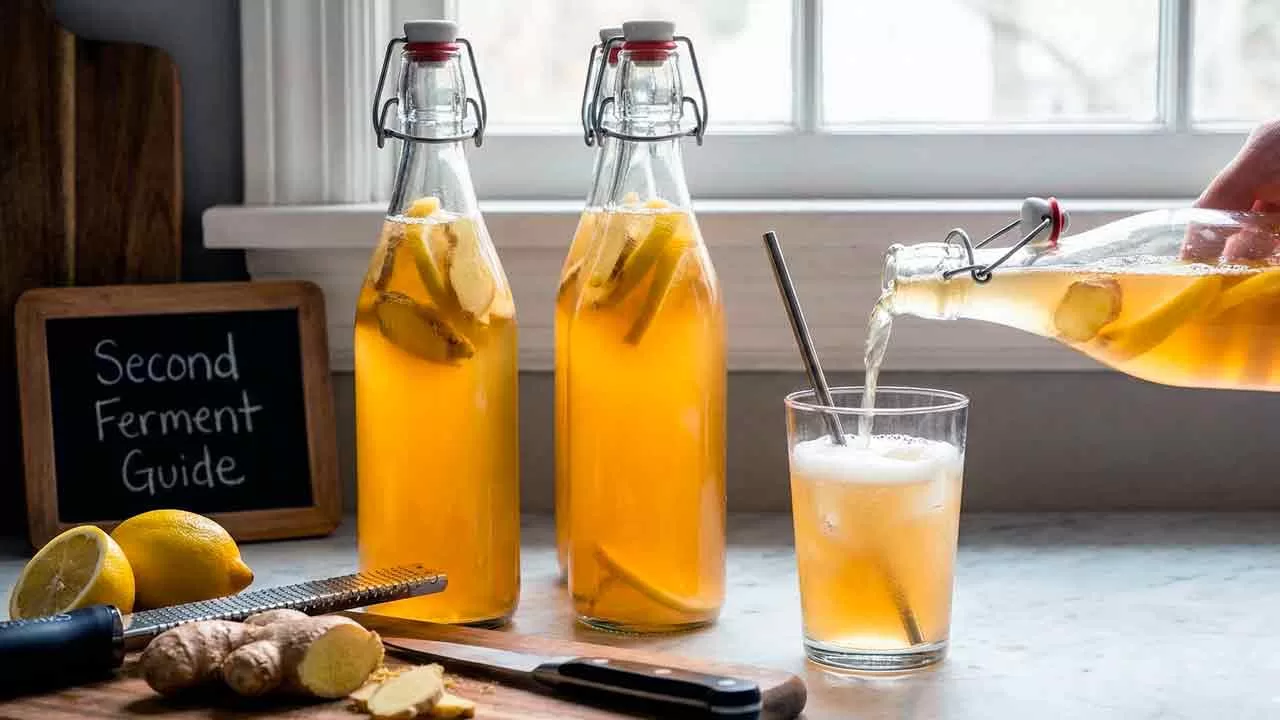
Transform plain raw kombucha into a fiery, zesty sparkling elixir. Fresh ginger root and lemon juice create the classic craft kombucha flavor profile with deep carbonation.
🥣 Ingredients
- ✓1 Litre — Kombucha (F1 Finished)
- ✓1 Tbsp — Fresh Ginger (Chopped)
- ✓2 Tbsp — Lemon Juice
- ✓1 tsp — Sugar (Optional for fizz)
Swing-top glass bottles, fine grater for fresh ginger, and a kitchen funnel.
👩🍳 Step-by-Step Instructions
Prep Bottles
Fill
Ferment
Chill
💡 Ginger Power Tip
Grating fresh unpeeled ginger with its natural juices introduces wild beneficial yeasts that accelerate intense, champagne-grade effervescence in the bottle.
❓ Frequently Asked Questions
Why add sugar if kombucha is already sweet?
The yeast has already eaten most of the sugar in F1. Adding a tiny bit more sugar in the bottle gives the yeast fuel to create carbon dioxide (fizz) without making the drink too sweet.
Can bottles explode?
Yes, if pressure builds too high. Always use bottles meant for carbonation (like flip-top beer bottles) and avoid square bottles, which are weak. Burp them if unsure.
What is “burping”?
Burping is briefly opening the bottle to release excess gas. Do this once a day if you are worried about pressure, but doing it too often will result in flat kombucha.
What is the glob floating in the bottle?
That is a baby SCOBY (or pellicle). It forms because the bacteria are still active. It is perfectly safe to drink, or you can strain it out.
Can I use powdered ginger?
You can, but it leaves a gritty texture. Fresh ginger root or pure ginger juice provides a much cleaner, brighter flavor.
Why isn’t my kombucha fizzy?
It might be too cold, the seal on the bottle might be bad, or there wasn’t enough sugar for the yeast. Try moving it to a warmer spot or adding a raisin.
Do I strain the ginger out?
It is best to strain the kombucha into your glass when serving. Leaving the ginger in the bottle during storage keeps the flavor infusing.
Can I use other fruits?
Absolutely. Berries, mango, pineapple, and turmeric all pair beautifully with ginger. Experiment with whatever is in season.
How long does F2 last in the fridge?
Unopened, it can last for months. However, the flavor is best within the first month. Once opened, drink within a few days so it stays fizzy.
Can I use plastic bottles?
For beginners, reusing a plastic soda bottle is safe because you can squeeze it to feel how much pressure has built up. Once hard, it’s ready.
Probiotic Science & Nutritional Benefits of Ginger & Lemon Kombucha (Second Ferment)
Second fermentation (F2) transforms still, tangy F1 kombucha into a sparkling craft beverage bursting with fresh botanical aromatics. Once your live kombucha SCOBY and starter liquid are safely set aside for your next primary batch, bottling the finished tea with freshly grated ginger root and organic lemon juice traps active Zygosaccharomyces and Saccharomyces yeasts inside an airtight vessel. As yeasts consume the trace priming sugars, natural carbon dioxide dissolves directly into the cold-conditioned tea while preserving live organic acids and gingerol antioxidants.
Unlike shelf-stable supermarket alternatives that undergo high-heat pasteurization after culturing—eliminating 100% of living bacteria to extend warehouse shelf life—preparing Ginger & Lemon Kombucha (Second Ferment) at home with live kombucha SCOBY preserves delicate organic acids, B-vitamins (including folate, riboflavin, and biotin), bioavailable minerals, and active microbial enzymes right up to the moment you serve your glass or plate. Regular inclusion of unpasteurized fermented foods in daily meals has been shown in clinical microbiome research (such as Stanford University’s fermented-food dietary trials) to steadily increase gut microbial diversity and calm inflammatory markers.
4 Artisan Flavor Variations & Customizations
Once you master the foundational recipe card above, use these four tested kitchen variations to adapt the flavor profile across seasons and occasions:
✨ Cayenne Lemon Cleanse Kick
Add a tiny pinch of organic cayenne pepper alongside ginger and lemon for a warming morning digestive.
✨ Lavender & Meyer Lemon Fizz
Infuse 1/2 teaspoon culinary dried lavender buds with lemon juice for a floral botanical finish.
✨ Fresh Mint & Ginger Mojito Booch
Clap 5 fresh mint leaves between your palms and drop into the swing-top bottle before sealing.
✨ Raw Honey-Ginger Boost
In F2 (away from the mother SCOBY), 1/2 teaspoon raw floral honey creates extra-fine velvety foam.
Timing, Temperature & Make-Ahead Storage Reference Chart
Consistent texture, carbonation, and probiotic vitality come down to respecting temperature thresholds and storage windows. Keep this quick kitchen reference chart handy:
| Preparation Stage | Optimal Time & Temperature | Why It Matters for Quality |
|---|---|---|
| Stir F1 Before Bottling | Gentle stir after removing SCOBY | Distributes settled bottom yeasts evenly across all bottles |
| Bottle Conditioning (F2) | 2–4 days sealed at 22°C–24°C | Builds lively natural carbonation without forced CO2 |
| Headspace Rule | Leave 3 cm neck space in round swing-tops | Prevents excess pressure spikes during warm weather |
| Chill Before Uncapping | Minimum 6–8 hours at 4°C | Locks fizz into solution for a clean, crisp pour |
Common Kitchen Mistakes & How to Avoid Them
If your ginger kombucha comes out flat, you either bottled from the clear top of your F1 jar without gently stirring up the settled yeast threads first, or your room was below 20°C. Conversely, because grated ginger contains abundant wild yeast enzymes, ginger F2 carbonation builds faster than almost any other flavor—check one test bottle after 48 hours in summer and transfer straight to the refrigerator once carbonated.
If your base ferment ever behaves unexpectedly before you even begin this recipe—such as slow acidification in cool winter rooms or rapid summer separation—consult our dedicated kombucha fizz & acidity troubleshooting guide for instant 24-hour adjustments so every batch starts from a vibrant, balanced living culture.
Ingredient Quality, Serving Ideas & Prebiotic Pairings
Selecting clean, minimally processed base ingredients noticeably elevates both the flavor clarity and microbial vitality of Ginger & Lemon Kombucha (Second Ferment). Whenever possible, pair your living ferment with organic seasonal fruit, unrefined sea salt, whole aromatic spices, and filtered or spring water free from chlorine residuals. Avoid artificial preservatives such as potassium sorbate, sodium benzoate, or sulfites in add-in juices and dried fruits, as commercial antimicrobial agents are specifically formulated to halt yeast and bacterial activity.
To maximize both culinary enjoyment and digestive synergy, serve Ginger & Lemon Kombucha (Second Ferment) alongside whole, fiber-rich plant foods rich in natural prebiotics. Soluble prebiotic fibers—abundant in berries, slightly green bananas, rolled oats, chia and flax seeds, Jerusalem artichokes, garlic, fresh culinary herbs, roasted root vegetables, and long-fermented sourdough grains—travel intact to the lower digestive tract where they selectively nourish the beneficial Lactobacillus, Leuconostoc, and Bifidobacterium strains delivered by homemade ferments. When storing multi-day batches, always choose non-reactive glass mason jars or pressure-rated swing-top glass bottles with snug food-grade seals, label your container with the preparation date, and keep your primary living mother culture fed on a steady countertop rhythm so fresh probiotic harvests are ready whenever inspiration strikes in your kitchen.
Whether you enjoy a chilled glass alongside breakfast, pack a jar for post-workout hydration and recovery, or set out an artisanal platter for weekend guests, homemade probiotic recipes turn everyday whole ingredients into living functional nutrition at a fraction of specialty health-store prices.
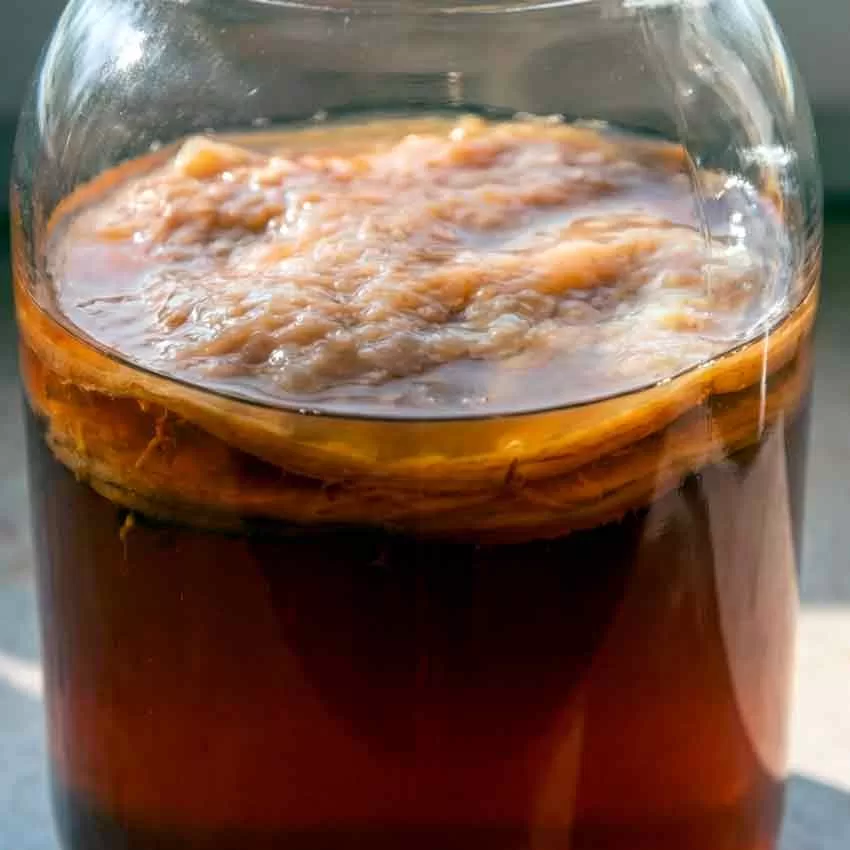 100% Live & Active
Start Fresh with a Certified Organic Live Kombucha SCOBY
Brew authentic, probiotic-rich homemade ferments with real living heirloom cultures. Cultivated fresh daily in small batches, our active cultures multiply naturally for a lifetime supply.